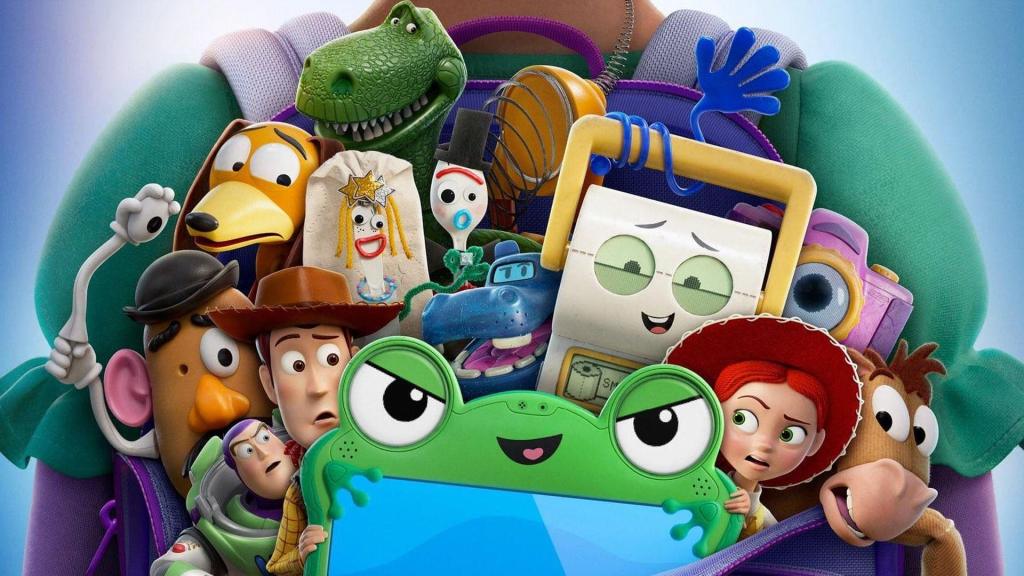
It’s toys vs technology in this new tale from Disney PIXAR.
When I was younger, I loved Toy Story 2. The friendlier follow up was a staple in our house growing up. It was fun, it was moving, it was not quite as scary as Toy Story from which Sid’s Dr Moreau-esque toys frequently populated my childhood nightmares: it was, for us, the perfect movie. Toy Story 5, concentrating on Jessie and themes of growing up too fast, feels much more a sequel to Toy Story 2 than the more recent films in the franchise. And I thought it was excellent.
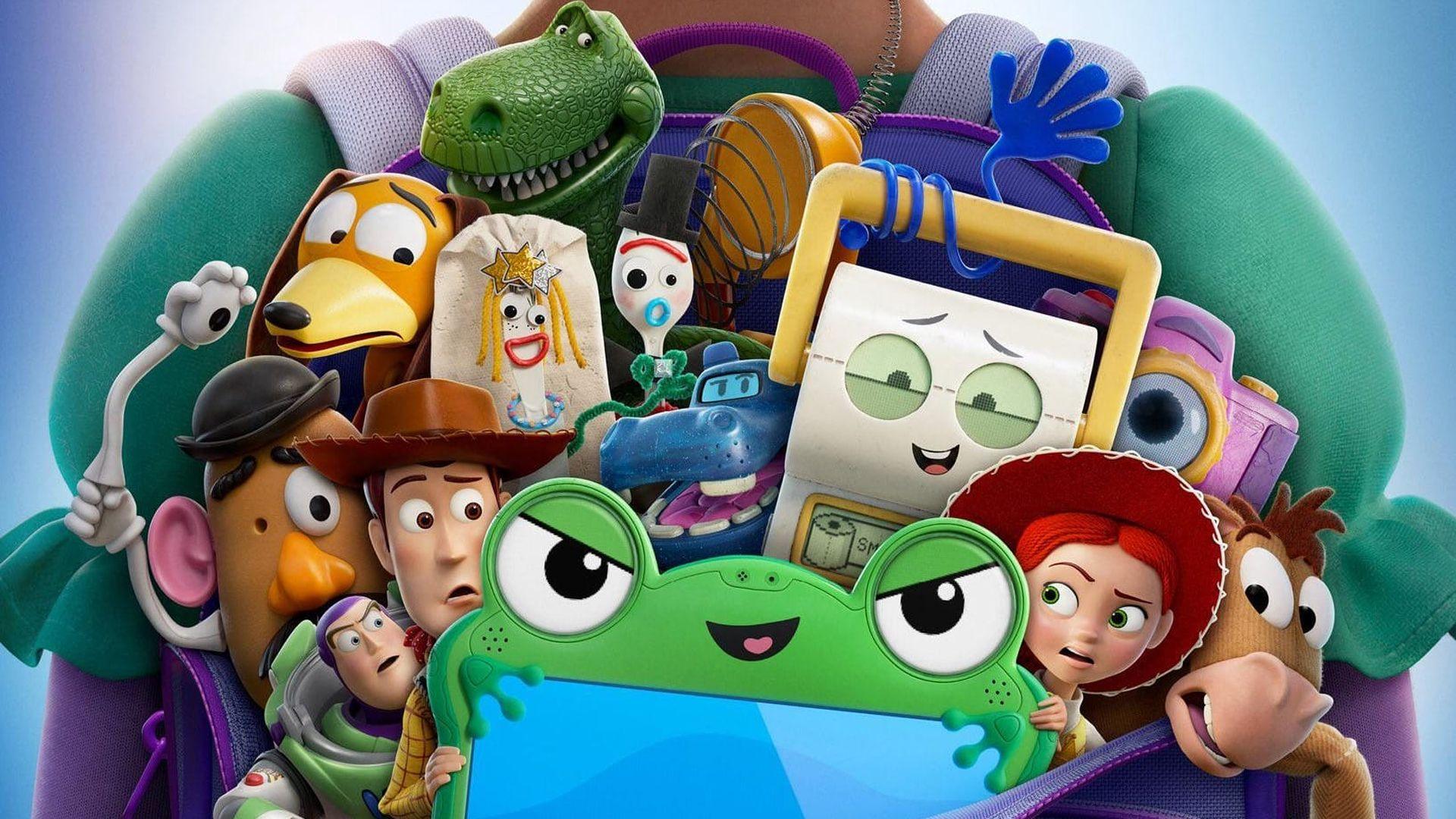
The fifth instalment in the Toy Story series sees Sherrif Jessie and Deputy Buzz compete for the affections of Bonnie with an antagonist that comes in the form of a tablet device ‘Lily Pad’. The toys call in Woody to help defeat their new foe and adventures and misadventures ensue.
Despite some obvious plot wrangling to get Woody back to the toys, he is not the protagonist here. The film’s emotional centre is Jessie, a decision which allows the film to feel fresh as well as purposeful as it allows for new emotional beats away from the iconic duo of Woody and Buzz. In fact, Woody is in it so little that some Woody loyalists may feel short changed. The plot could have worked without him at all as the narrative deviates pretty far away from the classic cowboy character to make space for a new host of toys that come in the form of tech devices. The problem with an ensemble as stacked as Toy Story is that to make room for new leads and new voices, old toys have to be relegated (in this case to a box in the garage) to free up that space. These new voices and characters come in the form of Greta Lee’s Lily Pad, Conan O’Brien’s Mr Smarty Pants potty training device (that comes with a pretty scatological sense of humour) and an army of 50 shipwrecked Buzz Lightyears who had me chuckling throughout the runtime. But for a film that focuses on children growing up too fast and leaving their toys behind, I couldn’t help feel that was happening in this movie. Slinky, Hamm, Mr Potato Head and Rex were consigned to bit parts. Even child favourite from Toy Story 4 ‘Forky’ seemed to be on the metaphorical substitutes bench. I can’t decide if that’s a clever move from Toy Story: not only do the films teach the toys about the inevitability of moving on, but it teaches the audience too, or whether it hints at something slightly more hypocritical as we are told to cherish our toys and not grow up too fast, all the while some of the toys are forgotten about by the narrative.
The antagonist tablet ‘Lily Pad’ works wonderfully. When Bonnie’s well meaning parents buy her a device so she can connect with peers, it plunges her into further isolation. Through this ‘device’ the film tackles technology isolating people away from each other, screen addiction and subsequent meltdowns, cyberbulling and peer pressure and the fact that technology is making children act older. It sounds heavy, but is undertaken with such a subtle lightness of touch I can already see it being used as a teaching aid for parents everywhere. While some might wish for a more obvious damning of screen times and perhaps would have liked a more triumphant victory over technology, I feel the film’s ending is more in keeping with reality. Yes we all want less screen time, yes we all want kids to play with toys more, but the ever evolving world of tech is somewhat inescapable and I like that the way to succeed is to incorporate it in a more healthy and positive way then just banishing it altogether. I mean, what better way to broach the epidemic of loneliness than through a family sat in different rooms so engrossed in their devices they do not notice 50 Buzz Lightyears traipse through their house.
The genius of PIXAR is that their films work for both children and adults, and depending on your age the story will mean something entirely different. There are enough callbacks to the original films to satiate the nostalgia trip (with Woody and Buzz flying “with style!”), references to other movies (spot the brilliant Apocalypse Now sight gag) and emotional beats to keep older audiences happy. There are enough jokes, bright fun sequences and a snappy plot (thank you PIXAR for making a kids film 1hr 42 minutes – no child will be able to sit through 2hrs 15 minutes of a Little Mermaid live action remake) to keep younger audiences entertained. The film particularly resonated with me, however, as Jessie laments about technology making children grow up too fast. The unrelenting passing of time exacerbated by technology and media had me questioning my own role now as an adult, and made me hold my child just that extra bit closer for a hug that evening. That and Randy Newman’s score, playing on Sarah McLachlan’s emotional ballad ‘When She Loved Me’ from Toy Story 2, of course.
Toy Story has returned to emotional poignancy after a short hiatus in this new escapade.
Subjective – 4
Objective – 4
Tesni Jones – 24/06/26
 Cinemacaw: Taking flight through film.
Leave a comment